The short answer
The best time to visit Italy is late April to June and September to early October. These shoulder-season months give you warm, settled weather, long daylight, and noticeably thinner crowds than the July–August peak — the sweet spot for combining cities, coast, and countryside in one trip.
If your heart is set on the beaches of the Amalfi Coast or the Italian Lakes, aim for June or September. If it's food and wine you're after, autumn is unbeatable — the grape and olive harvests and the first white truffles all arrive between September and November. And if you want Italy at its quietest and cheapest, the winter months reward you with empty museums and festive cities.
Spring in Italy (April–June)
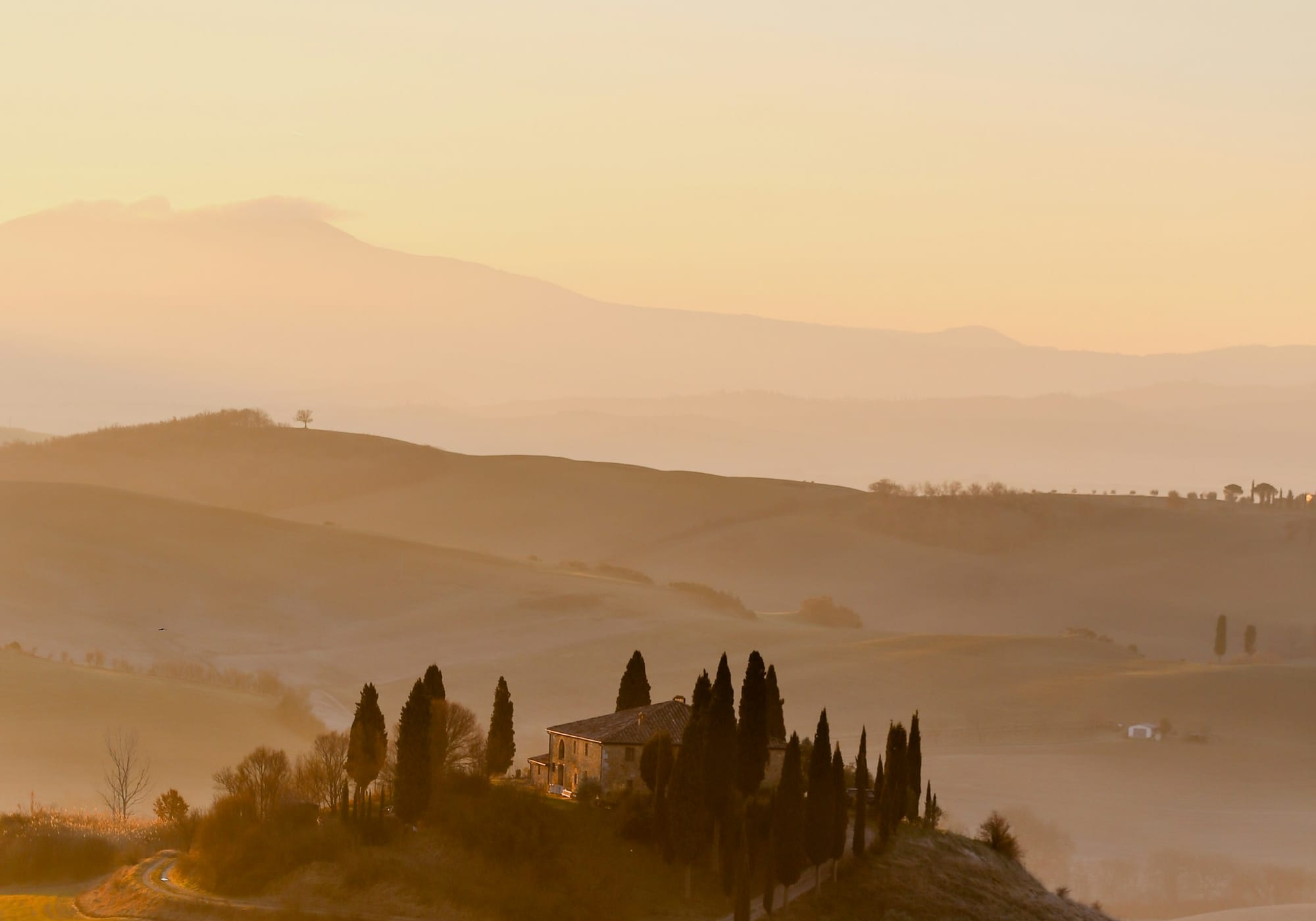
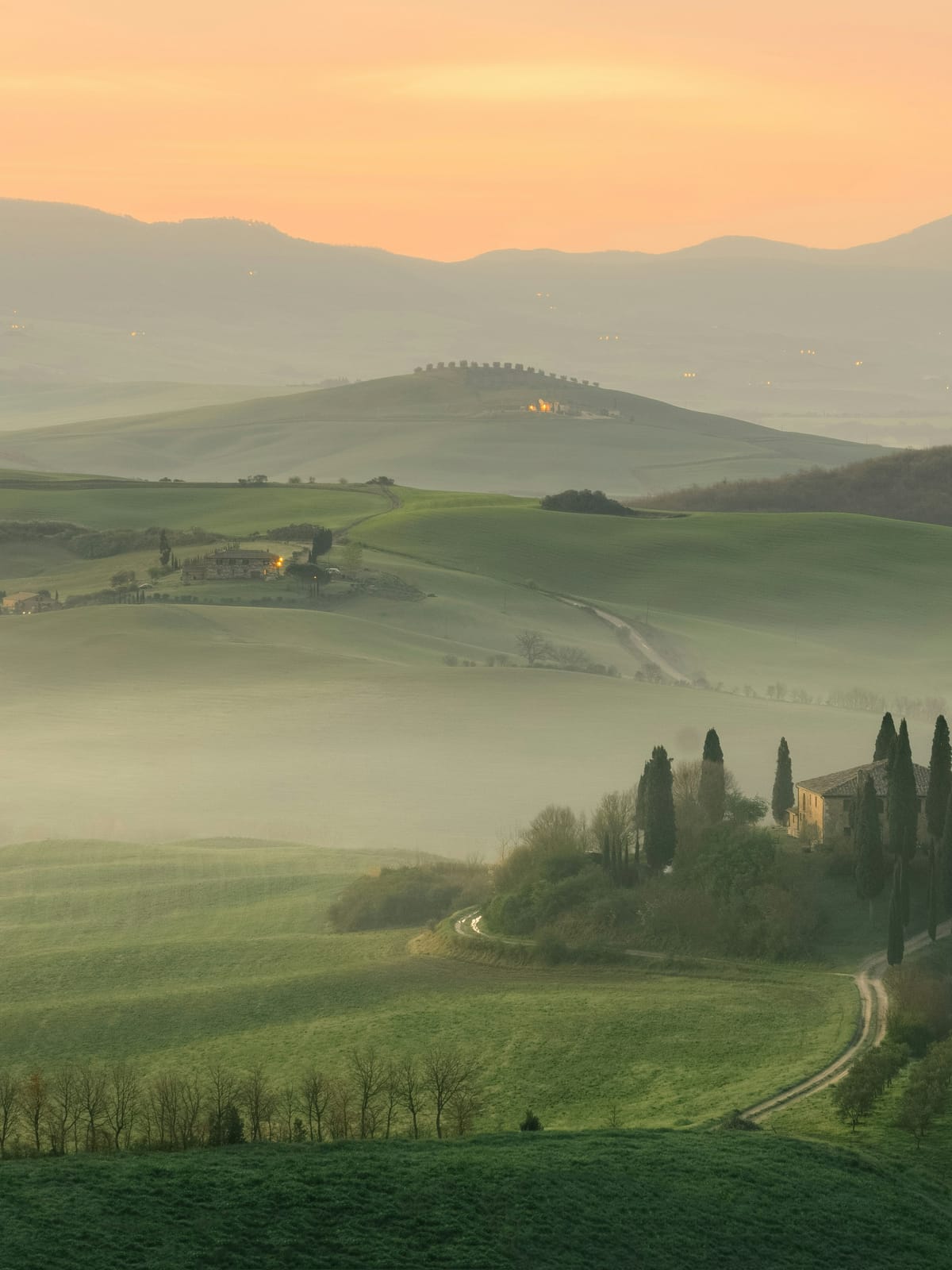
Spring is arguably the finest time to travel almost anywhere in Italy. Wisteria and roses climb the walls of Tuscan villages, the countryside is green, and daytime temperatures sit comfortably in the high teens to mid-20s°C (65–78°F). Easter week and the early-May bridge holidays draw domestic crowds to the big sights, but book ahead and the season is a joy.
By June the coast and lakes come fully to life — warm enough to swim, not yet at the height of summer heat. It's an ideal window for a first trip that mixes Rome, Florence, and Venice with a few days by the sea.
Summer in Italy (July–August)
Summer is peak season, and it earns the name. The coast, the lakes, and the mountains are glorious, but the inland cities — Rome, Florence, Bologna — turn hot and heavy, often pushing past 35°C (95°F). Queues are longest and prices are highest.
August adds a local twist: Ferragosto, the mid-month holiday when many Italians decamp to the coast and a surprising number of city restaurants and shops close for two or three weeks. It's still a wonderful time for a beach-and-mountains trip — just plan cities for the cooler mornings and save afternoons for the water or the hills.
Autumn in Italy (September–October)
September and October are, for many travelers, the perfect months. The summer heat softens, the sea stays warm into September, and the crowds thin as the school holidays end. This is harvest season — vendemmia in the vineyards, olives coming off the trees, porcini and the first truffles appearing on menus across Piedmont, Tuscany, and Umbria.
It's the season we most often recommend for a food-and-wine focused itinerary, and for anyone who wants the classic sights without the July throng.
Winter in Italy (November–March)
Winter is Italy's low season, and there's real magic in it if you know where to look. The cities are at their quietest — you can have a room in the Uffizi almost to yourself — and prices fall away outside the Christmas and New Year peak. The north is cold and can be foggy or wet; the south and Sicily stay mild.
December brings Christmas markets and festive lights; February brings the Venice Carnival and the start of the ski season in the Dolomites and the Alps. The trade-off is shorter days and seasonal closures along the coast, where many Amalfi and lakeside hotels shut from November until Easter.
Month by month at a glance
| Month | Weather | Crowds | Good for |
|---|---|---|---|
| January | Cold north, mild south | Low | Skiing, sales, quiet cities |
| February | Cool | Low | Venice Carnival, few tourists |
| March | Cool, spring begins | Building | Early spring, low pre-Easter prices |
| April | Mild, blooming | Moderate (Easter peaks) | Gardens, cities, shoulder season |
| May | Warm, sunny | Rising | Ideal all-round — coast, cities, countryside |
| June | Warm to hot | Busy | Long days, the coast opens fully |
| July | Hot | Very busy | Beaches, lakes, mountains |
| August | Hottest | Peak + Ferragosto | Coast & Alps; many city shops close |
| September | Warm | Busy, easing | Harvest, wine, ideal weather — a top pick |
| October | Mild, crisp | Moderate | Food, truffles, autumn colour, fewer crowds |
| November | Cool, wetter | Low | Cities, cuisine, low prices |
| December | Cold north, mild south | Moderate (holidays) | Christmas markets, festive cities |
It depends on where you're going
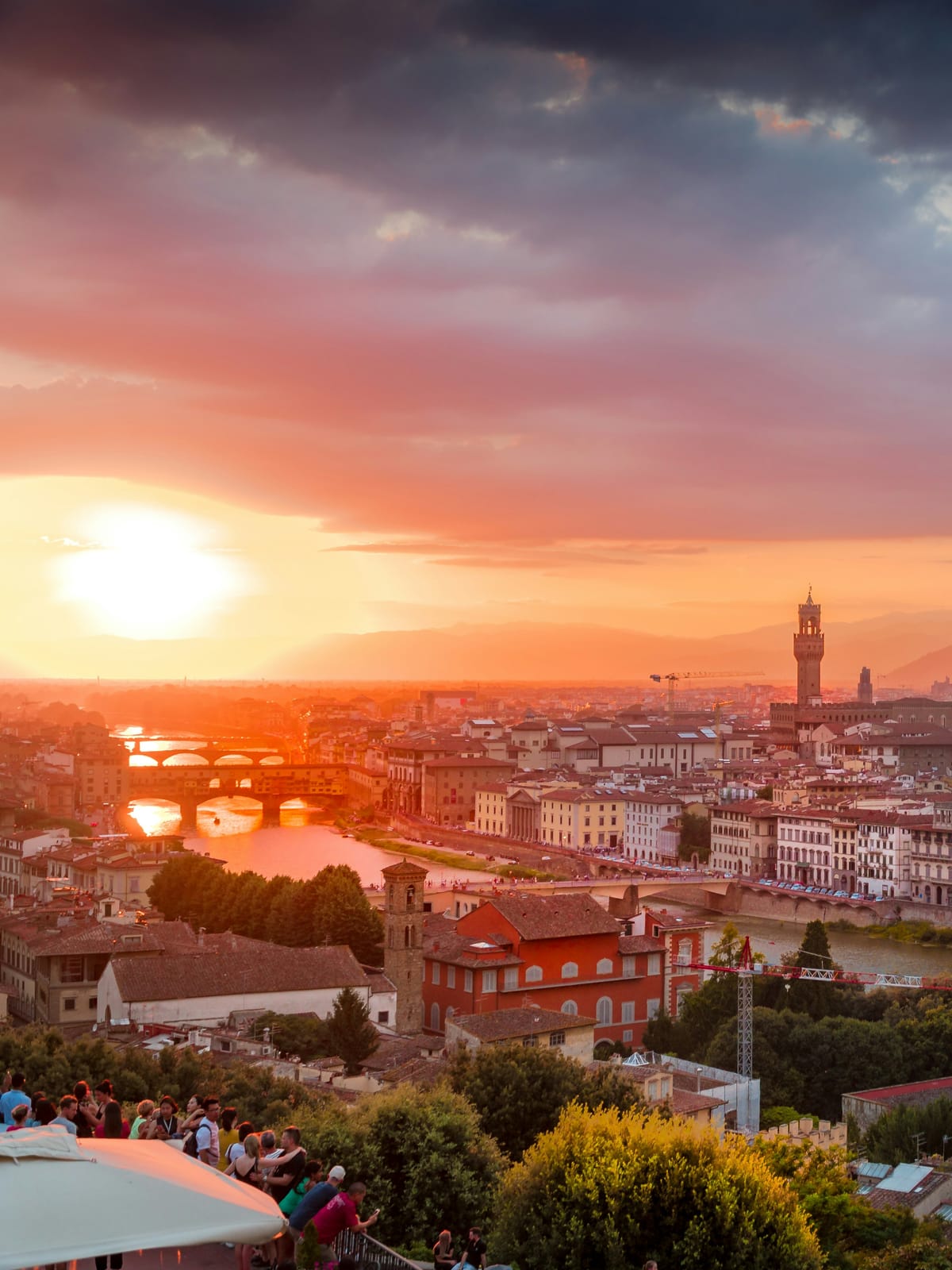
Italy is really a dozen countries in one, and the ideal month shifts with the region. For the Amalfi Coast, Capri, and the Italian Lakes, May–June and September are the golden windows — warm water, open hotels, no August crush. For the art cities of Rome, Florence, and Venice, the shoulder months spare you both the heat and the longest queues.
For the Dolomites and the Alps, July and August bring wildflower hiking, while December to March is for snow. And Sicily and the deep south enjoy the longest season of all — often warm and inviting from April right through October.
How we plan around the seasons
Because every Hamilton & Chase trip is private and custom, we build your Italy itinerary around the calendar rather than a fixed departure — timing the coast for when the water is warm, the vineyards for the harvest, and the cities for the cooler, quieter hours. Tell us roughly when you can travel and we'll tell you honestly where Italy is at its best that month.
Frequently asked questions
What is the best month to visit Italy?
May, June, September, and early October are the best months overall — warm, settled weather with fewer crowds than mid-summer. September is especially good if you care about food and wine, thanks to the harvest season.
What is the cheapest time to visit Italy?
November to March (outside the Christmas and New Year holidays) is the cheapest time to visit Italy, with lower flight and hotel prices and the quietest sights. The north is cold and some coastal resorts close, but the cities are wonderful and uncrowded.
What is the hottest month in Italy?
July and August are the hottest months. Inland cities like Rome and Florence regularly climb past 35°C (95°F), so plan sightseeing for the mornings and reserve afternoons for the coast, the lakes, or the mountains.
When is the best time to visit the Amalfi Coast?
May, June, and September are ideal for the Amalfi Coast — warm enough to swim, with everything open and no August crowds. Many hotels and restaurants along the coast close from November until Easter.
How many days do you need in Italy?
Seven to ten days is right for a first trip, comfortably covering two or three regions — for example Rome, Florence and Tuscany, and Venice — without rushing. Two weeks lets you add the Amalfi Coast, the Lakes, or Sicily.
 We value your privacy